
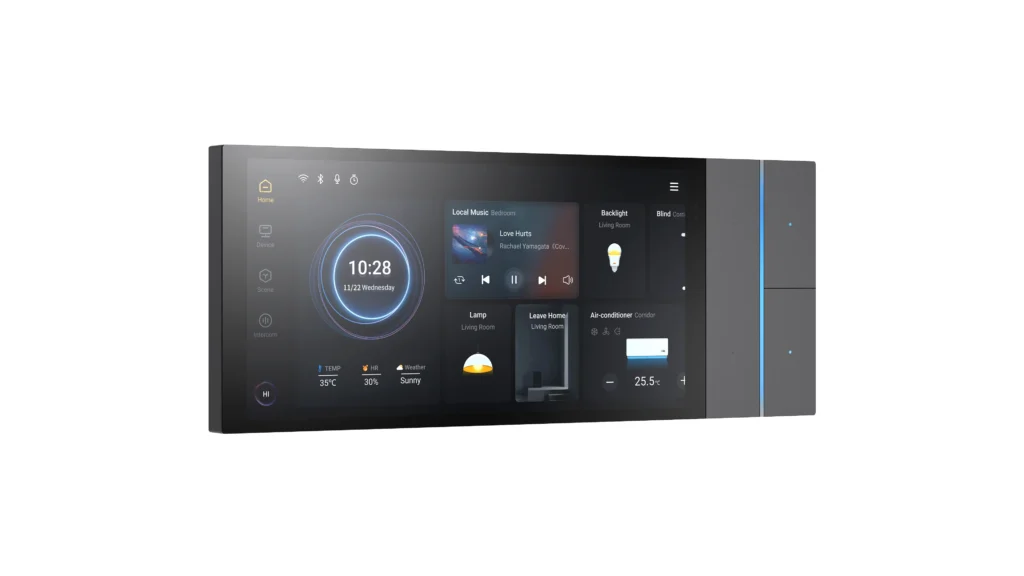
Home automation is evolving fast across Egypt. Homeowners, developers, and architects are increasingly demanding systems that go beyond basic Wi-Fi smart plugs and wireless sensors. For those who want the most reliable, scalable, and professionally engineered solution available, KNX smart home Egypt represents the absolute gold standard in building automation today.
This guide explains everything Egyptian buyers and developers need to know about KNX smart home Egypt from how it works to what it costs and where to find certified professionals.
What is KNX Smart Home System
KNX is an open international standard for building and home automation. Unlike consumer smart home platforms, KNX is a wired communication protocol designed specifically for professional installations in residential and commercial buildings.
The KNX Association, based in Brussels, certifies all devices and installers globally. This certification guarantees that every KNX product regardless of manufacturer communicates seamlessly with every other KNX device on the same network.
KNX smart home Egypt installations typically control:
- Lighting scenes and dimming
- HVAC and climate control
- Motorized blinds and curtains
- Security and access control
- Energy monitoring and management
- Audio and video distribution
How KNX Technology Works
KNX operates on a twisted pair bus cable — a dedicated wire separate from your standard electrical system. Every device on the network, including sensors, switches, actuators, and controllers, connects to this bus and communicates using the KNX protocol.
When you press a KNX light switch, the switch sends a telegram across the bus cable. The corresponding actuator receives the command and executes the action turning lights on, adjusting brightness, or triggering a preset scene. This process happens in milliseconds with complete reliability.
Because KNX runs on dedicated wiring rather than Wi-Fi, it delivers rock-solid stability that wireless systems simply cannot match. In Egypt, where Wi-Fi and network stability can vary significantly across buildings and locations, this wired reliability is a major practical advantage for homeowners and developers alike.
Advantages of KNX Systems in Egypt
Choosing KNX smart home Egypt delivers several compelling advantages over wireless consumer alternatives.
Reliability: Wired communication means zero interference from neighboring networks, thick walls, or crowded Wi-Fi environments — a genuine challenge in Egyptian apartment buildings.
Scalability: KNX systems grow with your needs. Adding a new room, floor, or function requires simple programming changes rather than hardware overhauls.
Energy Efficiency: KNX lighting control and smart HVAC management reduce energy consumption significantly. Presence sensors automatically switch off systems in unoccupied rooms, cutting electricity bills noticeably over time.
Longevity: KNX installations last 20 to 30 years without major upgrades far outlasting any wireless consumer smart home platform currently available.
Interoperability: Over 500 certified manufacturers produce KNX-compatible devices, giving Egyptian buyers enormous choice across every price point and product category.
KNX vs Other Smart Home Systems
Understanding how KNX smart home Egypt compares to alternatives helps buyers make confident decisions.
| Feature | KNX | Alexa / Google Home | Tuya / Zigbee |
| Connection | Wired | Wireless | Wireless |
| Reliability | Excellent | Good | Average |
| Scalability | Unlimited | Limited | Moderate |
| Lifespan | 20-30 years | 3-5 years | 3-7 years |
| Installation | Professional | DIY | DIY |
| Cost | High | Low | Low |
KNX integrates with Alexa and Google Home through IP gateways, meaning Egyptian homeowners can enjoy voice control convenience while maintaining KNX’s rock-solid wired backbone underneath. This hybrid approach delivers the best of both worlds for modern Egyptian villas.
Cost of KNX Installation in Egypt
KNX is a premium investment. Understanding the cost structure helps Egyptian buyers plan effectively.
Typical cost factors include:
- Building size and number of control points
- Number of lighting circuits, HVAC zones, and blinds
- Complexity of automation scenes and programming
- Quality and brand of KNX devices selected
- Certified integrator fees for design and commissioning
For a mid-sized Egyptian villa between 300 and 500 square meters, a complete KNX installation typically ranges between EGP 150,000 and EGP 450,000 depending on scope and specification level.
While upfront costs exceed wireless alternatives significantly, the long-term savings in energy efficiency, maintenance, and system longevity make KNX a financially sound choice for premium properties across Egypt.
Best Use Cases for KNX Systems
KNX smart home Egypt performs best in specific scenarios where its strengths matter most.
New construction villas: KNX wiring integrates perfectly during construction, adding minimal extra cost when planned from the beginning.
Large apartments above 200sqm: Complex spaces with many lighting zones, HVAC systems, and motorized elements benefit enormously from centralized KNX control.
Commercial and mixed-use buildings: Hotels, office buildings, and retail developments across Egypt increasingly specify KNX for its reliability and energy management capabilities.
Luxury residential compounds: Premium developments in New Cairo, Sheikh Zayed, and the North Coast frequently include KNX as a standard feature in high-end units.
Energy-conscious homeowners: Anyone serious about reducing electricity consumption in Egypt will find KNX’s energy monitoring and automated efficiency features extremely valuable.
KNX Certified Integrators in Egypt
Professional installation is non-negotiable with KNX. The system requires certified engineers trained specifically by the KNX Association to design, install, and program correctly.
When selecting a KNX smart home Egypt integrator, verify the following:
- Valid KNX Partner certification from the KNX Association
- Portfolio of completed projects with references
- Experience with ETS software the official KNX programming tool
- After-sales support and maintenance contracts
- Familiarity with Egyptian building regulations and electrical standards
Is KNX Worth It for Your Home
For most Egyptian homeowners building standard apartments with modest automation needs, wireless systems like Tuya or Google Home deliver excellent value at a fraction of the cost.
However, KNX smart home Egypt becomes clearly worth the investment when:
- You are building or renovating a villa above 250 square meters
- You want an automation system that lasts decades without replacement
- Energy efficiency and professional reliability are top priorities
- You require complex multi-zone lighting, HVAC, and blind control
- You are developing a premium property where quality commands value
FAQ
Q1: Can KNX smart home Egypt systems integrate with voice assistants like Alexa?
Yes. KNX systems connect to Alexa and Google Home through certified IP gateways, allowing full voice control while maintaining the reliability of the wired KNX backbone throughout your home.
Q2: Does KNX work in Egyptian apartments or only in villas?
KNX works in both apartments and villas. However, it delivers maximum value in larger properties above 200 square meters where complex multi-zone automation justifies the professional installation investment.
Q3: How long does a KNX smart home installation take in Egypt?
Installation timelines vary by project size. A standard villa installation typically requires between two and six weeks for wiring, device installation, and full system programming by a certified KNX integrator.