
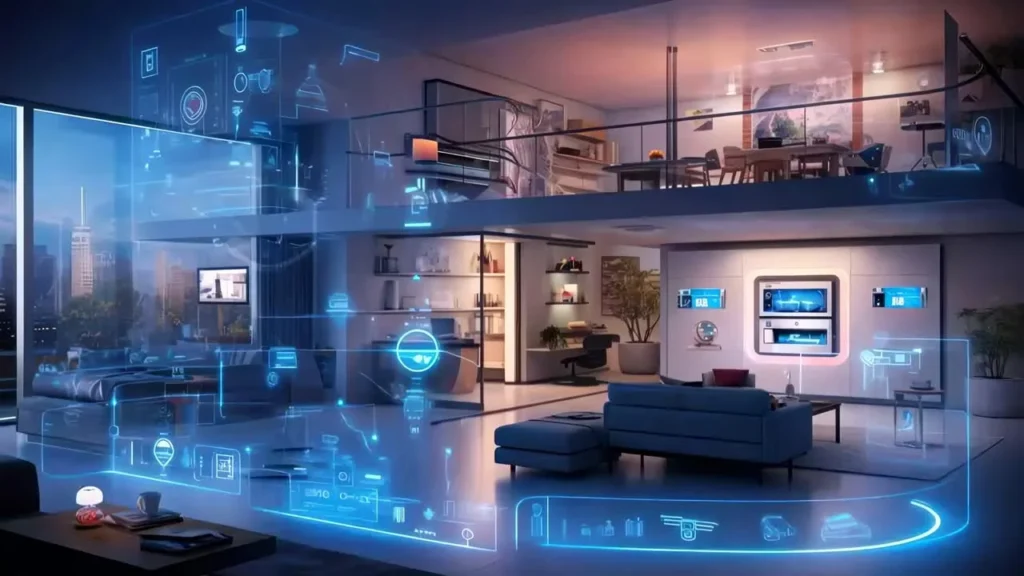
Smart home technology is rapidly transforming homes across Egypt. What was once considered a luxury is now becoming a practical investment for homeowners seeking convenience, security, and energy efficiency. From smart lighting and automated curtains to intelligent security systems and voice-controlled appliances, home automation offers multiple benefits.
However, one question usually comes first: how much will it cost?
Understanding smart home cost in Egypt is essential before making purchasing decisions. Costs vary based on home size, automation goals, system complexity, and device quality. Some homeowners only need a few connected devices, while others prefer fully integrated automation systems.
This guide provides a detailed commercial overview of smart home pricing in Egypt for 2026, helping beginners and homeowners make informed decisions.
Average cost of smart home systems in Egypt
The first step in understanding smart home cost in Egypt is knowing that pricing differs according to automation level.
Entry-Level Smart Homes
Basic smart homes focus on simple automation and convenience.
Typical features include:
- Smart bulbs
- Smart plugs
- Voice assistants
- Wi-Fi-enabled devices
These systems work well for apartments and homeowners starting their automation journey.
Mid-Range Smart Homes
Mid-range systems offer more control and better integration.
They commonly include:
- Smart switches
- Security cameras
- Motion sensors
- Smart door locks
- Lighting scenes
This category is popular among Egyptian families seeking security and comfort.
Premium Smart Homes
Luxury systems deliver full automation.
Features may include:
- Central control panels
- Climate automation
- Automated curtains
- Smart entertainment systems
- Advanced surveillance
Premium packages significantly influence smart home cost in Egypt because they involve advanced technology and professional integration.
Cost breakdown by system type
Different systems contribute differently to total spending. Evaluating each category helps homeowners estimate smart home cost in Egypt more accurately.
Smart Lighting Systems
Lighting automation remains one of the most affordable upgrades.
Benefits include:
- Energy savings
- Remote control
- Scheduling
- Scene creation
Lighting systems often serve as the first smart home investment.
Smart Security Systems
Security solutions usually involve higher spending.
Common products include:
- CCTV cameras
- Motion detectors
- Alarm systems
- Smart locks
- Video doorbells
Security-focused installations can substantially impact smart home cost in Egypt depending on coverage requirements.
Climate and Energy Management
Energy management systems are becoming increasingly attractive.
These include:
- Smart thermostats
- Smart AC control
- Energy monitoring devices
They improve comfort while supporting electricity savings.
Entertainment Automation
Entertainment features enhance convenience.
Examples include:
- Smart speakers
- Voice control
- Multi-room audio
- Home theater automation
Although optional, these additions raise system value and lifestyle appeal.
Factors affecting smart home pricing
Several elements influence smart home cost in Egypt, making each project unique.
Property Size
Larger homes require:
- More devices
- Stronger network coverage
- Additional installation work
Naturally, villas cost more to automate than apartments.
Device Quality and Brand
Product quality matters.
Premium brands often provide:
- Better reliability
- Stronger cybersecurity
- Longer warranties
- Faster performance
Budget devices may reduce initial investment but sometimes sacrifice durability.
Wired vs Wireless Technology
Homeowners can choose between wired and wireless systems.
Wireless solutions using Wi-Fi, Zigbee, or Z-Wave are easier to install and expand. Wired systems provide advanced integration but may increase smart home cost in Egypt because of construction and cabling requirements.
Automation Complexity
The number of automated scenarios also affects pricing.
Simple app control costs less than advanced systems with customized scenes and centralized dashboards.
Installation and setup costs
Hardware is only part of the equation.
Professional Installation
Professional setup usually includes:
- Device installation
- Network configuration
- App setup
- Automation programming
- System testing
DIY Installation
Many wireless devices support self-installation.
DIY options may lower costs for:
- Smart bulbs
- Smart plugs
- Voice assistants
- Basic cameras
Network Preparation
Reliable connectivity is essential.
Some homes require:
- Router upgrades
- Wi-Fi mesh systems
- Signal boosters
Maintenance and upgrade costs
Smart homes require long-term planning.
Maintenance and future expansion influence smart home cost in Egypt beyond the initial purchase.
Software and Firmware Updates
Most smart devices rely on updates to maintain:
- Security
- Compatibility
- Performance
Keeping systems updated ensures reliable operation.
Battery and Device Replacement
Battery-powered devices eventually need maintenance.
Examples include:
- Sensor batteries
- Cameras
- Aging hubs
- Older switches
Replacing outdated equipment is part of long-term ownership.
Future Expansion
Most homeowners expand gradually.
Additional devices can be added as needs evolve, creating a more personalized smart home.
Budget vs premium smart home options
Comparing system categories helps buyers understand smart home cost and select suitable solutions.
Budget Smart Homes
Budget systems emphasize practicality.
Typical features include:
- Smart lighting
- Voice control
- Basic monitoring
These setups are affordable and beginner-friendly.
Premium Smart Homes
Premium automation focuses on seamless living.
Features often include:
- Full-home control
- Luxury lighting scenes
- Advanced security
- Climate management
These systems deliver exceptional convenience but require higher spending.
Which Option Fits Egyptian Homes?
Many Egyptian homeowners prefer gradual upgrades.
Starting with essential automation allows flexibility without major upfront investment.
Hidden costs to consider
Many homeowners overlook secondary expenses that influence smart home cost
Subscription Services
Certain platforms require recurring fees.
Examples include:
- Cloud storage
- Security monitoring
- Premium automation services
Monthly subscriptions affect long-term affordability.
Compatibility Problems
Mixing ecosystems may create:
- Integration issues
- Extra setup expenses
- Limited functionality
Researching compatibility helps avoid surprises.
Internet and Power Requirements
Stable internet and reliable electricity matter.
Backup power solutions may be necessary for security-focused systems.
How to plan your smart home budget
Strategic planning helps control smart home cost in Egypt and prevents overspending.
Define Your Goals
Identify priorities first.
Common goals include:
- Security
- Comfort
- Energy savings
- Entertainment
Start Small
Begin with essential products such as:
- Smart lighting
- Smart plugs
- Security sensors
This approach keeps spending manageable.
Choose Scalable Systems
Invest in platforms that support future upgrades.
Scalable ecosystems provide better long-term value and protect your investment.
FAQ
How much does a smart home cost in Egypt?
Costs depend on property size, device selection, and automation complexity.
Is professional installation necessary?
Basic systems may support DIY installation, while advanced automation benefits from professional setup.
Can I build a smart home gradually?
Yes. Many homeowners start small and expand over time.
Which devices offer the best value?
Lighting, security sensors, and smart plugs usually provide the most practical starting point.
Smart home technology is becoming increasingly accessible in Egypt, offering homeowners better comfort, security, and energy efficiency. Whether you want simple lighting automation or full-home control, understanding pricing helps you make better decisions.
Ultimately, smart home cost in Egypt depends on your goals, preferred devices, and future plans. By defining priorities, choosing scalable solutions, and understanding hidden expenses, homeowners can build smart environments that deliver both convenience and long-term value.